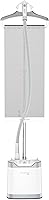
How to Clean a Jiffy Steamer
To clean a Jiffy steamer, empty the tank, mix equal parts white vinegar and water, and let it sit to dissolve mineral buildup before flushing it out. Wipe the steam head and hose, refill with fresh water, and run the steamer briefly to clear loose scale.
On this page (9 sections)
- Why does a Jiffy steamer need cleaning at all?
- How often should you clean a Jiffy steamer?
- What supplies do you need to clean a Jiffy steamer?
- How do you descale the Jiffy steamer tank?
- How do you clean the steam head and hose?
- What is the best water to use in a Jiffy steamer?
- How do you flush and store a Jiffy steamer after cleaning?
- What mistakes should you avoid when cleaning a steamer?
- Which cleaning routine should you follow?
To clean a Jiffy steamer, drain the tank, fill it with a half-and-half mix of white vinegar and water, and let it sit to break down mineral scale before flushing. Wipe the steam head and hose with a damp cloth, then refill with fresh water and run a short steam cycle to clear loose flakes.
Hard water is the main enemy of a full-size steamer. Every fill leaves a little calcium and magnesium behind, and that crust insulates the heating element and blocks the steam path.
Why does a Jiffy steamer need cleaning at all?
A Jiffy steamer needs cleaning because mineral buildup from tap water coats the brass heating element and slows steam production. The Jiffy J-2000 runs a 1300 watt solid brass element and holds 2.84 litres (3/4 gallon) of water, so every fill leaves more scale behind.
The symptoms show up gradually. Steam gets weaker, the unit takes longer than its usual two minute heat-up, or it spits white flecks onto fabric.
Left alone, scale can also trip the fusible link shut-off that protects the element.
Cleaning is not about dirt. It's about keeping the water path open so the steamer works the way Jiffy built it.
A quick look at the Jiffy Steamer models compared for home use shows the same tank and element design across the line, so the cleaning method carries over.
How often should you clean a Jiffy steamer?
Clean the tank every 1 to 3 months, and flush the element more often if your water is hard. Steam daily in a hard-water area and monthly is the sensible rhythm; steam once a week with soft water and you can stretch to quarterly.
Scale builds at different speeds for different homes. A few signs tell you it's time regardless of the calendar: weak steam, a longer heat-up, or a chalky ring at the water line when you look into the tank.
If you steam curtains and drapes in long sessions, the tank cycles more water and needs attention sooner. Our guide to the best steamers for curtains and drapes covers that heavier use pattern.
What supplies do you need to clean a Jiffy steamer?
You need white vinegar, warm water, a soft cloth, a small brush and a bucket, plus a way to measure equal parts. No special steamer cleaner is required, and you should avoid harsh chemicals.
- White vinegar (the cheapest descaling agent)
- A measuring cup for a 1:1 mix
- A soft lint-free cloth for the head and hose
- A small soft brush for the tank neck and valve area
- A bucket or shallow tray to catch drained water
Skip bleach, soap, fabric softener and scented oils. They leave film that clogs the no-drip valve and can attack the brass element.
A product that helps with related iron cleanup
The Faultless Hot Iron Cleaner is a hot-iron soleplate cleaner rather than a steamer tank product. It earns a place here for anyone who also presses with a steam iron between steamer sessions.
The disc works while the iron is hot and removes melted synthetic fabrics, patch glue, starch and fusible web from metal, Teflon and Silverstone surfaces. It's non-toxic and unscented.
Keep it for the iron only, never inside the steamer tank.
How do you descale the Jiffy steamer tank?
Descale the tank by mixing equal parts white vinegar and water, filling to the water line, and letting it stand for 30 to 60 minutes. The acid softens scale so it flushes out instead of clinging to the element.
Unplug the steamer and let it cool completely before you open the water cap. Hot water and steam under the cap can scald, so give it at least 20 minutes.
- Empty any remaining water into a sink or bucket.
- Pour in the vinegar and water mix to the normal fill line.
- Let it sit 30 to 60 minutes; longer for heavy scale.
- Swirl gently and drain the mix out completely.
- Fill with clean water and drain once more to rinse.
Don't run the steamer with the vinegar mix inside. The soaking does the work, and heating an acid mix adds no benefit while it puts wear on the element.
How do you clean the steam head and hose?
Clean the steam head and hose with a warm damp cloth and a light vinegar wipe, never by soaking them. The hose and plastic steam head carry steam, not mineral-heavy water, so they collect dust and fabric lint rather than scale.
Wipe the outside of the plastic head with a damp cloth after each session, and clear lint from the openings with a soft brush. A quick wipe with diluted vinegar removes residue from fabric finishes.
The five-foot flexible hose on the J-2000 can be wiped along its length and hung to dry. Don't run water through it or submerge it; the no-drip check valve and the base connections sit at the ends.
Let everything air dry fully before you store the unit. Damp parts left in a closed closet can pick up a musty smell.
What is the best water to use in a Jiffy steamer?
The best water is distilled or filtered water, because it carries far less calcium and magnesium than tap. Fewer minerals means slower scale and longer stretches between descaling jobs.
Distilled water costs more, so use it only for the final fill or when steaming light-colored fabrics that show water spots. If you use tap water, expect to descale more often.
Softened water is not the same as filtered water. A softener swaps calcium for sodium, which still leaves residue in the tank, so it isn't a free pass on cleaning.
Whatever you choose, empty the tank after each session rather than leaving water to sit. Standing water plus warmth is the perfect setup for scale and odor.
How do you flush and store a Jiffy steamer after cleaning?
Flush the steamer with one or two fills of clean water, draining each completely, then leave the tank empty and the cap loose. This clears vinegar residue and lets the interior dry.
Run a short steam cycle over a sink or basin to push out any loose flakes before you steam clothing again. That final cycle also confirms the unit is heating and steaming normally.
Let the base, hose and head cool and dry fully before storage. Coil the hose loosely rather than kinking it, and keep the unit upright.
If you want a closer look at the model this method is written around, the Jiffy J-2000 steamer review covers its tank size, heat-up time and steam head in more detail. Shoppers weighing a different brand can read the SALAV vs Jiffy Steamer comparison for the differences.
The J-2000 holds 2.84 litres and steams about 1.5 hours per fill, so a full tank clean once a season keeps that time steady. Its automatic shut-off and 3 year warranty back the element, but scale still shortens its life.
What mistakes should you avoid when cleaning a steamer?
Avoid running a hot unit dry, soaking the hose, and using bleach or soap, since each one damages a part the steamer needs. The most common mistake is waiting until steam fails before cleaning.
Don't descale with the unit plugged in. Unplug it and let it cool first, every time.
Vinegar and electricity don't mix.
Don't leave the vinegar mix in the tank for days hoping for a better result. A long soak can dull some plastics and doesn't remove scale any faster than an hour.
Don't ignore a chalky film on the element. A soft brush and a fresh vinegar soak handle light crust before it hardens into a layer the acid can't reach easily.
Finally, don't store the unit with water inside. Empty it, leave the cap off for a day, and put the cap back loosely so air can still move.
Which cleaning routine should you follow?
Follow the monthly vinegar soak, a wipe of the head and hose, and distilled water when you can, and your Jiffy steamer will keep producing steady steam. That routine handles how to clean a Jiffy steamer without special tools or a service visit.
Use the Faultless Hot Iron Cleaner for your steam iron's soleplate and keep the vinegar for the steamer tank. Use the J-2000 as the reference unit and match the same steps to any Jiffy model you own.
Start with the tank, since scale there is what actually slows the machine. Wipe the head and hose as you go, and make the empty-and-dry habit part of every session so cleaning never turns into a bigger job.
Frequently asked questions
Can you use distilled water to prevent buildup?
Yes. Distilled water carries no minerals, so it leaves far less scale behind in the tank and heating element.
It costs more than tap water, so mix it in for the last fill or use it when you steam light-colored fabrics that show water spots.
What should you never put in a Jiffy steamer tank?
Skip bleach, fabric softener, scented oils and soap. These leave residue that can clog the no-drip valve and the hose, and bleach can attack the brass element.
White vinegar and water are the only things Jiffy calls for in routine cleaning.
Why has my Jiffy steamer stopped steaming well?
Mineral scale on the heating element is the usual cause. A vinegar soak and a flush often restore full steam.
If the unit still sputters or shuts off, the automatic shut-off may have tripped, so unplug it and let it cool completely before you try again.
How do you drain a Jiffy steamer completely?
Unplug it and let it cool for at least 20 minutes. Then open the water cap over a sink or bucket and tilt the base gently to empty it.
Don't tip it while it's hot or full, since the water is scalding.