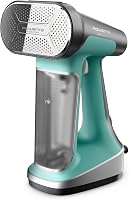
How to Use a Conair Clothes Steamer
To use a Conair steamer, fill the removable tank with tap water, plug it in and let it heat up, then hang the garment and glide the head top to bottom while pulling the fabric taut. Finish with the creaser on collars and cuffs, and let the garment hang a minute before wearing.
On this page (9 sections)
- What do you need before you start steaming?
- How do you fill and heat a Conair steamer?
- How do you steam a garment step by step?
- Which attachments does each Conair steamer include?
- How do you handle the steam settings on a Conair steamer?
- How do you finish a garment without wet spots?
- How do you keep a Conair steamer working well?
- Which Conair steamer should you use for which job?
- What mistakes should you avoid when using a Conair steamer?
To use a Conair steamer, fill the tank, heat it, hang the garment and glide the head top to bottom while holding the fabric taut. The whole job takes a few minutes per garment once you know the order.
This guide walks through filling and heating, the actual steaming motion, the attachments that come with each model, and how to keep the steamer working. It's written for the handheld Conair models most people own.
What do you need before you start steaming?
You need the steamer, tap water, a hanger and a clear spot to hang the garment. A door frame or shower rod works fine, as long as the garment can hang free without touching a wall.
Set up somewhere with good airflow and no carpet directly under the steamer, since a little condensation can drip. Keep the cord away from your feet and the water tank.
Check the garment's care label first. Most fabrics steam well, but anything marked dry clean only or made of waxed or coated material should be skipped.
Empty pockets, close zippers and button the top button so the garment holds its shape. Shake it out on the hanger so loose dust falls away before the steam softens the fibers.
How do you fill and heat a Conair steamer?
Fill the tank to the fill line with tap water, seat it firmly, and plug in. On the Conair 3-Attachment model the tank is removable and holds 7.3 oz, which gives up to 20 minutes of continuous steam.
Don't overfill past the line, and don't add oils, scents or fabric softener to the water. Those leave residue inside the steamer and can cause spitting later.
Set the steamer upright on a flat surface and switch it on. The 3-Attachment model heats in about 35 to 40 seconds, while the 1200W ExtremeSteam takes about 75 seconds.
Wait for the ready light or for steady steam before you lift the head. Point the head away from the garment and your hands for the first few seconds to let any trapped water clear the vent.
How do you steam a garment step by step?
Hang the garment, hold the head an inch or two from the fabric, and move slowly from the top down. Steam works by relaxing fibers with heat and moisture, so slow passes beat fast scrubbing.
- Hang the garment so the front or back faces you and the fabric hangs free.
- Hold the steamer head near the top, just below the collar, without touching the fabric.
- Pull the lower edge of the fabric gently with your free hand so it's taut.
- Glide the head downward in one steady pass, letting steam pass through the cloth.
- Repeat section by section: shoulder, sleeve, chest, side seam, then the lower body.
- Turn the garment around and repeat on the back.
Work one panel at a time rather than sweeping across the whole garment. Overlap each pass slightly so no strip gets missed.
How do you steam sleeves and collars?
Steam sleeves flat against the hanger and use the creaser for collars. A sleeve hanging loose steams unevenly, so hold the cuff and stretch the sleeve away from the body.
For collars and cuffs, press the heated creaser or the flat edge of the head along the fold. The 3-Attachment model has a built-in creaser, and the 1200W ExtremeSteam ships with a creaser attachment.
Keep the creaser moving so it doesn't leave a shine mark on dark wool or synthetic blends. Light pressure is enough; you're relaxing the crease, not ironing it in.
How do you steam delicate fabrics safely?
Keep the head farther from the fabric and use the delicate spacer on fragile pieces. The 3-Attachment model includes a Delicate Fabric Spacer that holds the head off silk, lace and embellished pieces.
Test on an inside seam first. Hold the steamer several inches away, let the steam do the work, and stop as soon as the wrinkles relax.
Skip beads, sequins and anything glued on. Loose trims can lift with the steam, and heat can soften adhesives on some garments.
Which attachments does each Conair steamer include?
The attachments are the main difference between Conair models, and each one solves a specific fabric problem. Use them deliberately rather than leaving everything on the head.
The 3-Attachment model includes a Silicone Band, a Bristle Brush and the Delicate Fabric Spacer. The Silicone Band pulls fabric taut so the head glides over it, which helps on slippery linens.
The Bristle Brush pushes steam into thicker weaves like denim, canvas and wool coats. Brush downward in the same direction as the fabric grain, in short strokes.
The 1200W ExtremeSteam includes a fabric brush, a creaser and a soft cushion brush. The cushion brush is the gentler option for knits and sweaters that need steam without much contact.
The Travel Steamer includes a detachable bristle and lint brush. That brush doubles as a quick way to lift lint and pet hair from a jacket between wears.
How do you handle the steam settings on a Conair steamer?
Start on the low setting for delicates and move up for thicker fabrics. The 3-Attachment model has five steam settings, and the 1200W ExtremeSteam has a low and high dual heat switch.
Low steam suits silk, chiffon and light blouses. Medium handles everyday cotton shirts and dresses.
High is for denim, canvas, curtains and upholstery.
The ExtremeSteam also has a steam pause switch for constant steam. Flip it to pause while you reposition a hanger or answer the door, then resume without reheating.
Change settings before you start a new garment, not mid-panel. Consistent steam gives a more even finish and avoids over-steaming one spot while you fiddle with the dial.
How do you finish a garment without wet spots?
Let the garment hang for a minute after the last pass, then check it in good light. Conair's Dry Steam Technology is designed to vaporize water fully, so a correctly heated steamer shouldn't leave damp patches.
Hang the garment away from walls and other clothes so air can move around it. A minute or two of hanging lets the last moisture evaporate and sets the relaxed fibers.
Check the collar, cuffs and underarm areas in a mirror or near a window. Touch up any remaining creases with a short second pass rather than holding the head in one place.
Don't put the garment straight into a closet or under a jacket. Trapped moisture can cause a musty smell, especially on wool.
How do you keep a Conair steamer working well?
Empty the tank after each use and descale it regularly. Mineral buildup is the most common reason a steamer starts spitting, dribbling or producing weak steam.
Let the steamer cool completely before you empty it. Remove the tank, pour out leftover water, and leave the tank and the head to air dry with the cap off.
Wipe the head and attachments with a damp cloth. Don't run water through the steam vent or submerge the steamer body.
If the steam weakens or the unit sputters, follow the steps in our guide to how to unclog a Conair steamer. A simple soak and rinse clears most blockages.
Which Conair steamer should you use for which job?
The 3-Attachment model suits most households; the 1200W ExtremeSteam suits heavier fabrics; the Travel Steamer suits bags and suitcases. Pick the one that matches the fabrics you steam most.
The 3-Attachment model is the best all-rounder for a home with a mix of silk, cotton and upholstery. Its 1875 watts, 7.3 oz tank and three attachments cover daily shirts and curtains in one session.
The 1200W ExtremeSteam is the choice for thick cotton, wool and denim, thanks to its dual heat and higher steam concentration. It ships with a creaser for trousers and a soft brush for knits.
The Travel Steamer is the one to pack. It runs on dual voltage, folds its handle for storage, meets TSA rules and gives about 10 minutes of steam from a compact body.
If you're still deciding between models, our guide to which Conair steamer to buy compares the full line by fabric and tank size. The Conair Turbo ExtremeSteam review covers the 1200W model in more depth.
What mistakes should you avoid when using a Conair steamer?
Don't steam a garment on a bed or against a wall, don't overfill the tank, and don't steam the same spot for too long. These three mistakes cause most wet patches and shine marks.
Never leave the steamer running unattended or let the tank run dry. Switch it off and unplug it before you refill, and keep the cord clear of the hot head.
Steam one garment at a time and let the steamer rest between long sessions. The 3-Attachment model runs about 20 minutes per tank, so refill when the steam fades rather than pushing on.
If you're shopping for a different brand or a bigger unit for curtains and bedding, our roundup of the best garment steamers for home use covers the alternatives.
The short version: fill with tap water, heat until steam is steady, hang the garment, and work top to bottom with light pressure. That order handles how to use a Conair steamer for shirts, dresses, suits and curtains without wet spots.
Frequently asked questions
Can you use tap water in a Conair steamer?
Yes, Conair steamers are built for tap water in normal use. If your area has hard water, empty the tank after each session and descale on the schedule in the manual, because mineral buildup is the usual cause of weak or sputtering steam.
How long should a Conair steamer heat up before first use?
The Conair 3-Attachment model heats in about 35 to 40 seconds and the ExtremeSteam 1200W in about 75 seconds. Wait for the ready light or the steam to start flowing steadily, then give the head a quick air test away from the garment.
Can you steam clothes while wearing them?
It's safer to steam garments on a hanger. If you steam something you're wearing, keep the head several inches from your skin and never press it against your body, because the steam and the hot soleplate on some models can burn.
What should you do if a Conair steamer stops steaming?
Check the water level first, then look for a kink in the cord or a clogged steam vent. A steamer that spits or dribbles often needs descaling; our guide to unclogging a Conair steamer covers the soak-and-rinse steps.
How do you steam a suit jacket or heavy coat?
Hang it on a sturdy hanger and use the bristle brush attachment on the head. Steam in short passes from the shoulder down, then let the jacket dry on the hanger before you put it away.