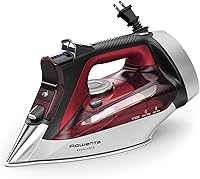
Why Is My Clothes Steamer Spitting Water?
A clothes steamer spits water when liquid water reaches the steam outlet instead of turning to vapor. The usual culprits are an overfilled tank, a cold start, a tipped or shaken unit, or mineral buildup in the boiler.
On this page (10 sections)
- Why is my clothes steamer spitting water instead of steam?
- Is an overfilled water tank making your steamer spit?
- Why does a cold steamer spit before it warms up?
- Can tilting or shaking a steamer cause water to spit?
- How does hard water and scale make a steamer spit?
- Why is your steamer spitting when the tank is not full?
- Which steamer features help stop spitting?
- How should you use and store a steamer to avoid spitting?
- Why is my clothes steamer spitting water after I cleaned it?
- What should you do if the steamer keeps spitting?
A clothes steamer spits water when liquid water reaches the steam outlet instead of turning to vapor. The usual culprits are an overfilled tank, a cold start, a tipped or shaken unit, or mineral buildup in the boiler.
Most spitting is fixable at home. Work through the causes below in order, and you'll usually find the problem within a minute or two of use.
Why is my clothes steamer spitting water instead of steam?
The boiler isn't fully converting water to steam. A steamer heats water in a small chamber and pushes vapor out through the head.
Any liquid that slips past the boiler comes out as droplets.
Four things let that happen. Water sits too high in the tank and sloshes into the outlet.
The heater hasn't reached full temperature. The unit gets tilted or shaken while running.
Scale coats the heating surface so heat transfers unevenly.
Each cause leaves a slightly different clue. A cold-start spit happens in the first seconds.
Overfilling spits when the tank is nearly full. A tilt spit appears the moment you angle the head.
Scale tends to spit throughout the session and often comes with weak steam.
Match your clue to the cause, then fix that one thing first. You'll save time compared with changing everything at once.
Is an overfilled water tank making your steamer spit?
Yes, overfilling is the most common cause. Every steamer has a maximum fill line for a reason, and going past it leaves no room for the water to expand as it heats.
Water expands as it warms. When the tank is full to the brim, that expansion pushes water into the steam path before the boiler can turn it into vapor.
The head then spits instead of steaming.
The fix is simple. Empty the tank, then refill only to the marked line.
Leave a finger's width of headroom below the top. If your steamer has a removable tank, seat it firmly so the valve lines up with the inlet.
Check the tank cap too. A cap that isn't screwed on tight can let air in and water out at the wrong moment.
SALAV points to a cap that isn't screwed properly as a typical leak source on the GS18.
Why does a cold steamer spit before it warms up?
A steamer needs its full heat-up time before it produces dry steam. Switch it on and wait for the ready light or the stated warm-up period.
Steam before that point is part water.
Cold metal and cold hoses collect condensation. That water has to clear before the vapor runs dry.
Aim the first burst at a towel or into open air, not at the garment.
The warm-up window varies by model. SALAV says the GS18 standing steamer heats in 45 seconds.
Conair lists a 40-second heat time for its handheld. Small units usually warm faster than large boilers.
If your steamer still spits well after the ready light comes on, the problem is elsewhere. Move on to tilt, shake or scale.
Don't keep pressing the steam trigger hoping the water will clear itself.
Can tilting or shaking a steamer cause water to spit?
Yes, any tilt beyond a shallow angle sends water into the steam channel. Hold the head upright or at a slight angle.
Let the steam travel to the fabric instead of moving the steamer to the fabric.
Shaking makes it worse. A quick shake splashes tank water into the outlet, and the next burst carries droplets.
Set the head down between passes instead of shaking it.
If you're steaming a garment hung on a hanger, keep the steamer below shoulder height and move it slowly upward. For bedding or curtains, work in short passes and keep the tank level.
A cold-start spit plus a tilt spit often happen together. The first burst hits while the unit is still cold, then the head tips as you reach for a sleeve.
Give it the full warm-up and keep the angle shallow, and both go away.
How does hard water and scale make a steamer spit?
Scale coats the heating element and stops it transferring heat evenly. Pockets of water then boil late and spatter out as droplets instead of turning to steam.
Hard water leaves calcium and magnesium deposits behind every time it heats. Over weeks, that film builds up inside the boiler and around the outlet.
SALAV recommends distilled water for its GS18 to limit mineral buildup from hard water.
The telltale signs are weak steam, longer heat-up times and spitting that gets worse over months. If your steamer also leaves white flakes on dark fabric, scale is almost certainly involved.
Many steamers ship with a descaler packet. The SALAV GS18 includes one.
Follow the maker's descaling steps rather than guessing at a mix, and run a full tank of clean water through afterward before you steam clothes again.
Why is your steamer spitting when the tank is not full?
Condensation in a cold hose or head is the likely cause. Water vapor cools as it travels and turns back into liquid inside the tube or nozzle.
The next burst pushes that liquid out.
This shows up most on standing steamers with long hoses. A dual-insulated hose, like the one on the SALAV GS18, keeps the steam warmer along its length.
Even so, water can collect between sessions.
The fix is to let the steamer run for a few seconds before touching the garment. Point the head away and let the first burst clear the hose.
Wipe the nozzle dry if droplets cling to it.
Storing the unit with water still in the tank makes this worse. SALAV advises draining the tank and reservoir after each use, so no water sits in the hose ready to spit next time.
Which steamer features help stop spitting?
Look for a unit with a heated soleplate or dry-steam design, a sealed tank and clear fill markings. These features cut the main causes of spitting at the source.
The Conair GS59L lists Dry Steam Technology, which Conair says vaporizes water fully to prevent spitting, leaking and wet spots. It also has a heated soleplate for crisp collars.
That combination suits anyone who wants both steaming and light pressing from one tool.
A large removable tank with a clear water window helps you stay under the fill line. The SALAV GS18 has a 1.8L transparent tank that runs up to 60 minutes.
A longer run between refills means fewer chances to overfill.
If you mainly want crisp creases rather than hanging steam, an iron with anti-drip is the better tool. The T-Fal Ultraglide lists anti-drip and vertical steaming.
Anti-drip is designed to stop water spitting when the iron cools.
For a full comparison of the two tools, see steamer or iron for clothes. The right pick depends on how much pressing your wardrobe needs.
How should you use and store a steamer to avoid spitting?
Fill to the line, warm up fully, keep it upright, and drain after every use. Four habits cover most of the causes above and take seconds to build.
Fill only to the marked maximum. Set the unit on a flat surface and let it reach full heat before you steam.
Hold the head upright or at a slight angle, and set it down instead of shaking it.
Drain the tank and reservoir when you're done. Dry the nozzle and let the hose air out before storage.
Descale on the schedule your maker recommends, or sooner if steam weakens.
Storing with water left in invites spitting and spills. A dry unit heats more predictably.
If you want a step-by-step routine for a garment session, see how to use a fabric steamer on clothes.
Why is my clothes steamer spitting water after I cleaned it?
Rinse water left in the boiler or hose is the usual reason. A cleaning session leaves liquid behind in places that don't drain easily.
The next time you switch on, that water spits out.
Run a full tank of clean water through after any descale or wash. Let the steamer steam into open air until the burst clears and the vapor runs dry.
Then drain and dry the unit completely.
Don't add cleaning products unless the maker's instructions call for them. A soapy residue can foam in the boiler and push water into the steam path.
Plain water and the supplied descaler are enough for most units.
If spitting continues after a thorough rinse, scale may not be the cause. Go back to the basics: fill level, heat-up time and tilt.
One of those is more often the answer.
What should you do if the steamer keeps spitting?
Work through the causes in order, and most steamers stop spitting without a repair. Check the fill line, wait for full heat, keep the head level, and rinse out scale.
If the tank is under the line, the unit is fully heated, the head stays upright and the boiler is clean, and it still spits, the outlet or valve may be faulty. Stop using it and contact the maker's support.
Water marks on fabric are easy to handle in the meantime. Blot the spot, rehang the garment and let it air dry.
For more on smoothing out garments, read how to remove wrinkles from clothes.
If your iron is the tool that's leaking rather than your steamer, the causes are different. See why is my iron leaking water for the fix.
Either way, the answer to "why is my clothes steamer spitting water" usually sits in the tank, the warm-up or the angle of the head.
Frequently asked questions
Can spitting water damage my clothes?
Droplets can leave water marks or soak delicate fabrics. Shake the garment and let it air dry, but don't rub the spot while it's wet.
Blot it gently and rehang the piece away from direct heat.
Why does my steamer spit only at the start?
Condensation collects in a cold hose or head overnight. The first few bursts push that water out.
Give the unit its full heat-up time and aim the first steam away from the garment.
Does distilled water stop spitting?
It reduces one cause. Distilled water leaves almost no minerals behind, so scale buildup in the boiler slows.
Scale is only one reason a steamer spits, so you still need to manage fill level and heat-up time.
How much water should I put in the tank?
Fill only to the marked maximum line. A tank filled past the line can push water into the steam path when the unit tilts or the water heats and expands.
Leave a little headroom.
Should I empty the tank after every use?
Yes, draining the tank and reservoir after each session limits buildup and stops water spilling in storage. A dry tank also heats more predictably next time.
Can a steamer spit when it's tilted too far?
Yes. Tilting past a shallow angle lets water run into the steam channel instead of the boiler.
Hold the head upright or at a slight angle and let the steam do the work.