How to Clean and Descale a Steam Iron
To clean a steam iron, empty it, unplug it, and follow its manual for descaling and soleplate care. Use its self-clean function only as directed, then wipe the cooled soleplate with a soft cloth.
On this page (8 sections)
- How do you clean a steam iron safely?
- How do you descale a steam iron?
- How do you clean clogged steam vents?
- How do you remove residue from a steam iron soleplate?
- Which iron features can make cleaning easier?
- How can you reduce scale and residue between cleanings?
- When should you stop using the iron?
- Which products help with steam iron cleaning?
To clean a steam iron, empty it, unplug it, and follow its manual for descaling and soleplate care. Use a self-clean function only as directed, then wipe the cooled soleplate with a soft cloth.
Mineral scale can reduce steam or leave marks on fabric. The safest cleaning method depends on the iron, so don't pour vinegar or another descaler into the tank unless the manual approves it.
How do you clean a steam iron safely?
Unplug the iron and let it cool before cleaning the soleplate. Check the manual first for the right way to clean the water tank, steam vents, and exterior.
- Unplug the iron and let it cool fully.
- Empty any remaining water if the manual advises it.
- Wipe the exterior and soleplate with a soft, damp cloth.
- Clear vents only by the method the manual allows.
- Dry the iron before storing it.
Keep water away from the plug and cord connection. Don't immerse the iron or scrape the soleplate with a knife, pin, or metal tool.
If residue has melted onto the soleplate, identify its material and check the iron's care instructions before using a cleaner. Our guide to how to use a steam iron covers basic setup and fabric-safe ironing habits.
How do you descale a steam iron?
Use the iron's built-in descaling or self-clean process if its manual provides one. The steps differ by model, so follow the instructions for filling, heating, flushing, and cooling.
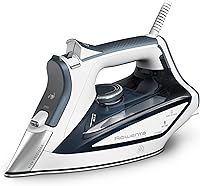
Some irons have an anti-calc system or self-clean function. Rowenta says the Focus Excel's self-clean function flushes impurities, and its anti-calc system helps prevent calcium deposits from building up inside.
Best for built-in care features: The Rowenta Focus Excel has self-clean and anti-calc features to help with iron maintenance.
Don't assume every iron handles scale the same way. If your manual doesn't explain descaling, check the manufacturer's support information for your exact model before trying a home remedy.
Can you use vinegar to descale a steam iron?
Only use vinegar if the manual for your model says it's safe. Vinegar is not a universal iron descaler, and an unapproved liquid could damage internal parts.
The same caution applies to commercial descalers. Use one only when the manufacturer approves it and gives directions for that iron.
For prevention, check the water guidance for your model and your local water conditions. Our guide to distilled water in a steam iron explains what to check before filling the tank.
How do you clean clogged steam vents?
Follow the manual's instructions for clearing steam vents. Some irons include a self-clean process that flushes the system, while others require a different care routine.
Don't poke a pin or wire into a vent unless the manual explicitly tells you to. A small opening can be damaged or pushed farther out of place.
If steam output has dropped, check that the iron has enough water and has reached the right heat setting for steam. If it spits or leaks as well, read why an iron leaks water for common causes and next steps.
What if the iron leaves white flakes or stains?
Stop ironing and check the iron's cleaning instructions when flakes or marks appear. Mineral deposits may be coming through the vents, but residue on fabric can also come from starch or other materials.
Run the approved self-clean or descaling routine, if the manual recommends one. Test the iron on an old, clean cloth after cleaning and before returning to everyday garments.
If the problem continues, don't keep flushing the iron with a stronger solution. Contact the manufacturer for model-specific advice.
How do you remove residue from a steam iron soleplate?
Use a soft cloth first, and use a soleplate cleaner only if the manual allows it. The right approach depends on the soleplate material and what is stuck to it.
For dried starch or fabric residue, unplug the iron and let it cool before wiping. Avoid scouring pads, powders, and sharp tools that can scratch the surface or damage its coating.
Faultless Hot Iron Cleaner is made to remove melted synthetic fabric, patch glue, and starch from a hot iron. Follow its package directions and confirm it suits your soleplate before use.
Best for stuck soleplate residue: Faultless Hot Iron Cleaner removes melted synthetic fabrics, patch glue, and starch from iron soleplates.
Don't use a cleaner on a hot iron just because it is described for hot-iron use. Follow both the iron and cleaner instructions, and keep the product away from children.
Which iron features can make cleaning easier?
A self-clean or anti-calc feature can help with internal buildup, while the manual still determines how to use it. Consider these features when comparing irons if scale is a regular concern.
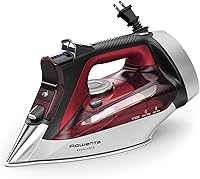
Rowenta's Focus Excellence includes an anti-calc function. It also has a retractable cord, LED display, and anti-drip system.
Best for anti-calc and storage features: The Rowenta Focus Excellence combines an anti-calc function with a retractable cord and LED display.
The CHI 1700W Steam Iron has adjustable steam control and a retractable cord. These features relate to ironing and storage, not a substitute for the care routine in its manual.
Best for adjustable steam control: The CHI 1700W Steam Iron has adjustable steam settings and a retractable cord.
How can you reduce scale and residue between cleanings?
Follow the water and storage instructions for your iron. Emptying the tank after use may be recommended for some models, while others give different storage directions.
Use the fabric setting and steam level that suit the garment. Too much starch or pressing product can leave residue on the soleplate, so apply those products as directed and avoid ironing over wet residue.
For smoother results, check the garment's care label and use the right heat setting. Our guide to iron temperature for polyester, cotton, and silk explains how to match heat to common fabrics.
When should you stop using the iron?
Stop using the iron if its cord, plug, tank, or soleplate appears damaged. Unplug it and contact the manufacturer rather than trying to repair electrical parts yourself.
If the iron keeps leaking, spitting, or leaving marks after the approved cleaning steps, check the manual or ask the maker for help. Don't use a stronger chemical or take the iron apart to force a fix.
Which products help with steam iron cleaning?
Start with the iron manual and its built-in care process for cleaning and descaling. The Rowenta Focus Excel suits readers who want self-clean and anti-calc features.
For soleplate residue, consider a cleaner intended for melted synthetics and starch, but confirm it is suitable for your iron first. The Rowenta Focus Excellence has an anti-calc function, and the CHI offers adjustable steam control; neither feature replaces model-specific care instructions.
Choose the cleaning method by the problem: approved descaling for mineral scale, a soft cloth for routine soleplate care, and an approved soleplate cleaner for stuck residue. For any ongoing steam or water issue, see how to use a steam iron and the iron's manual.
Frequently asked questions
How often should you descale a steam iron?
Descale your iron as often as its manual directs, since the schedule and method vary by model and water conditions. If steam output drops or mineral residue appears, check the care instructions before cleaning.
Use a built-in anti-calc or self-clean feature only as the manufacturer describes.
Can you use vinegar to clean a steam iron?
Use vinegar only if your iron's manual specifically allows it. Acid can harm internal parts on some models, and a home remedy may void warranty coverage.
Check the model's care instructions for an approved descaling method, then rinse or flush the iron only as directed.
How do you clean a steam iron soleplate?
Unplug the iron, let it cool, and wipe the soleplate with a soft damp cloth unless its manual gives another method. Avoid abrasive pads, metal tools, and cleaners that could scratch or damage the surface.
For melted residue, use a cleaner approved for your soleplate material.
Can you use tap water in a steam iron?
Check your iron's manual for its water requirements; some models allow tap water, while others recommend distilled or a mix. Water hardness affects mineral buildup, so follow the maker's guidance and empty the tank after use if instructed.
See our guide to distilled water in a steam iron for more.