How to Use a Steam Iron the Right Way
To learn how to use a steam iron, match heat to the care label, fill the tank as the manual directs, and press clean fabric in steady sections. Let the iron heat fully, use steam only when the fabric allows it, and stand it upright during pauses.
On this page (10 sections)
- How do you use a steam iron step by step?
- How should you prepare clothes and the ironing area?
- How much water should you put in a steam iron?
- What temperature and steam setting should you use?
- How do you press fabric without making new creases?
- What should you do when a crease won't come out?
- Which steam iron suits your routine?
- How do you pause and care for a steam iron?
- What mistakes should you avoid when using a steam iron?
- How to use a steam iron: which one should you choose?
To learn how to use a steam iron, match its temperature to the garment label, fill the tank as the manual directs, then press the fabric in steady sections. Let the iron heat fully, use steam only when the fabric allows it, and stand it upright whenever you pause.
The right iron depends on what you press and how often. Look for clear temperature and steam controls, a soleplate that moves smoothly, and safety features that suit your routine.
A garment steamer may be easier for hanging clothes, while an iron gives you direct contact for crisp seams and creases. See our guide to choosing a steamer or iron for clothes.
How do you use a steam iron step by step?
Check the care label, prepare the iron, and press one section at a time. The manual explains how to fill the tank, set the controls, and use any steam features.
- Sort garments by fabric and check each care label.
- Set up the ironing board on a flat, stable floor.
- Fill the iron as its manual directs, then plug it in.
- Choose the fabric setting and let the iron heat fully.
- Lay the garment flat, smooth it, and press with steady strokes.
- Stand the iron upright between sections, then unplug it when finished.
Start with the lowest heat setting that works for the fabric. If you're unsure, test a hidden area before pressing the visible side.
How should you prepare clothes and the ironing area?
Use a stable ironing board and smooth, clean garments. A flat surface helps you control the iron without pulling the fabric or catching the soleplate on folds.
Check for stains before applying heat, since heat can set some stains. Clean the garment first according to its care instructions.
Make sure the cord can move without pulling the iron or catching under the board. Keep the board away from water, and clear the floor so you can step around it safely.
For a shirt, begin with smaller sections such as the collar and cuffs, then move to the larger panels. Our guide on how to iron a dress shirt without missing a wrinkle covers the order in more detail.
How much water should you put in a steam iron?
Fill the tank to its marked level and follow the manual's directions for water type. Don't overfill it or pour water into the iron while it's plugged in unless the manual specifically permits that method.
Some irons recommend tap water, while others give different instructions based on local water hardness. Read more about whether you need distilled water in a steam iron.
Close the fill opening before heating the iron. Wipe up spilled water and keep the plug and cord dry.
Which iron features help you control steam?
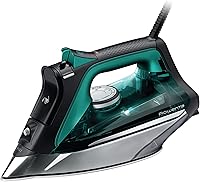
Variable steam settings suit people who press a mix of fabrics. The Rowenta Focus Excel offers adjustable steam, an anti-drip feature, and a precision tip for narrow areas.
Choose an iron with controls that match your routine. If you press thick fabrics or stubborn creases often, stronger steam may help.
If you mostly press delicate fabrics, precise low settings matter more. Stop and check the manual if the iron spits water or leaks.
What temperature and steam setting should you use?
Use the garment's care label as your guide, then choose the matching iron setting. If the label says not to iron, don't press it with a steam iron.
Start with lower heat for delicate materials and increase it only when the label allows. Wait for the iron to reach the selected temperature before touching the garment.
Heat and steam are separate choices. A fabric may tolerate heat but need little or no steam, so check the manual and test an inside seam when uncertain.
For common fabric settings, see iron temperatures for polyester, cotton, and silk.
How do you press fabric without making new creases?
Press in small sections and move the iron in smooth, controlled strokes. Lift and reposition it when needed instead of dragging fabric out of shape.
Lay each section flat and smooth it with your free hand before pressing. Keep that hand clear of the iron's path, and avoid stretching seams or edges.
Use the pointed tip around buttons, collars, and narrow seams. On pants, line up the seams before pressing a crease; follow our instructions for how to iron pants with a sharp crease.
Can you use a steam burst on hanging clothes?
A vertical steam burst can freshen suitable hanging garments, but it won't press every crease flat. Follow the iron manual and garment label, keep the iron upright and away from your body, and don't touch the fabric with the hot soleplate unless the instructions allow it.
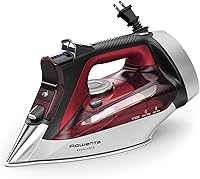
The CHI Steam Iron with Retractable Cord has a vertical steam burst and an adjustable steam lever. Its electronic temperature control sets heat for the selected fabric type.
Choose this kind of feature if you want one tool for board pressing and occasional vertical steaming. Skip it if you mainly need a dedicated steamer for hanging clothes and curtains; compare steamers for home use.
What should you do when a crease won't come out?
Check the fabric setting and use moisture or steam only if the garment allows it. Repeatedly pressing at the wrong temperature can leave a mark or shine.
Smooth the fabric again and press the area briefly. If the iron has a steam burst, use it according to the manual, then let the area settle before pressing again.
Avoid scrubbing the soleplate back and forth over one spot. The T-Fal Ultraglide has vertical steam settings and a steam boost, with a precision tip for narrow details.
Choose the T-Fal if you want a strong steam boost for thicker fabric and also value vertical steaming. Skip it if you want a basic iron and won't use those features.
Which steam iron suits your routine?
Choose by fabric mix, pressing frequency, and the features you'll use. The three irons here offer different strengths, so match those to your laundry rather than buying on wattage alone.
The Rowenta Focus Excel suits regular laundry with varied fabrics. Its adjustable steam, anti-drip feature, and precision tip help with changing settings and detailed areas.
The CHI suits people who want electronic temperature control and occasional vertical steaming. Its retractable cord stores in the base, but skip it if that storage feature and hanging-garment burst don't matter to you.
The T-Fal suits people who want a steam boost for stubborn creases and a vertical setting for quick freshening. Skip it if you rarely iron or prefer a separate steamer for garments that stay on hangers.
If you press clothes only now and then, a simpler iron may be enough. If crisp shirt panels and trouser creases are part of your regular routine, prioritize easy control and a shape that can reach collars, seams, and narrow spaces.
How do you pause and care for a steam iron?
Stand the iron upright on its heel rest whenever you pause. Keep it on a stable surface away from the board's edge, children, pets, and flammable items.
When finished, unplug the iron and follow the manual's directions for emptying the tank and storing the cord. Let the iron cool fully before putting it away.
Don't leave a hot iron unattended. If you need to step away, unplug it and place it safely upright.
Mineral buildup can affect steam output over time. Use the iron's cleaning or descaling steps as directed; our guide to cleaning and descaling a steam iron explains common care steps.
What mistakes should you avoid when using a steam iron?
Avoid using the wrong heat, overfilling the tank, and leaving the iron face down. These mistakes can damage garments or create a burn or spill risk.
Don't iron over zippers, snaps, or decorations without checking the care instructions. Don't use steam on a garment that forbids it, and don't force the iron over a crease that needs a different setting.
Never put your hand beneath the fabric while pressing. Let a section cool before handling it, since fabric and soleplate can stay hot after you move the iron.
How to use a steam iron: which one should you choose?
Pick the Rowenta for adjustable steam and detailed everyday pressing, the CHI for electronic controls and occasional vertical bursts, or the T-Fal for a steam boost on stubborn creases. Choose a dedicated steamer if most of your clothes stay on hangers.
For a reliable routine, read the care label, follow the iron manual, and press clean garments in manageable sections. If the fabric needs a gentler wrinkle-removal method, see how to remove wrinkles from clothes fast.
Frequently asked questions
How do you use a steam iron for the first time?
Read the iron's manual and the garment care label first. Fill the tank only as directed, set the temperature for the fabric, and let the iron heat fully.
Test steam on an inconspicuous area, then press with steady movement and keep the hot soleplate away from your hands.
Should you use steam on every fabric?
No. Follow the garment care label and iron manual because some fabrics need low heat or no steam.
If the label allows ironing but doesn't explain steam, test a hidden area first, use a lower setting, and keep a pressing cloth between the soleplate and delicate material.
Do you push down when using a steam iron?
Use light, even pressure and let the soleplate glide over the fabric. Pressing hard can stretch or shine some materials, and it won't fix a wrong temperature or fabric that's still damp.
For a stubborn crease, pause briefly or use a steam burst if the manual allows it.
Can you leave a steam iron face down while you pause?
No. Set the iron upright on its heel rest during pauses, on a stable surface away from children, pets, and anything that can burn.
Unplug it when you finish, follow its manual for emptying and storage, and wait until it cools before putting it away.