Do You Need Distilled Water in a Steam Iron?
Use distilled water in an iron only if its manual allows or recommends it. Many steam irons use tap water; in hard-water areas, some manuals advise a mix or more frequent cleaning.
On this page (7 sections)
- Do you need distilled water in an iron?
- Is tap water suitable for a steam iron?
- Can distilled water make an iron spit or leak?
- How can you limit mineral buildup in a steam iron?
- What should you check before filling the tank?
- Which iron features matter when choosing a replacement?
- Which water should you use in your steam iron?
Use distilled water in an iron only if its manual allows or recommends it. Many steam irons are designed for tap water, while hard water can leave mineral deposits that call for the cleaning routine or water mix specified for that model.
Before filling the tank, check the manual for approved water types, fill limits, and cleaning instructions. If you don't have the manual, search the iron's model number on the brand's support site instead of borrowing advice from another model.
Do you need distilled water in an iron?
The manual decides whether distilled water is right for your iron. Some models accept tap water, while others recommend a tap-and-distilled-water mix in places with hard water.
Hard water contains minerals that can build up inside the tank and steam passages over time. Deposits may affect steam output or leave residue, so use the model's care instructions along with its water recommendation.
Distilled water has fewer minerals, but it isn't a universal fix. Don't switch water types just because the iron has started to drip or produce less steam.
Check its troubleshooting and cleaning guidance first.
Is tap water suitable for a steam iron?
Tap water is suitable for many steam irons when the manual says to use it. In a hard-water area, check whether your model calls for a mix or a specific cleaning schedule.
Don't assume bottled, filtered, softened, or scented water is safer. Iron manuals can restrict water types or additives, and fragrance or cleaning products may leave residue.
If you aren't sure how hard your household water is, your local water utility may publish that information. Use it as context for the manual's advice, not as a substitute for it.
What should you do if your area has hard water?
Follow the iron's hard-water instructions, including any recommended mix or cleaning schedule. The right water and ratio depend on the model.
If the manual still calls for tap water, use it and keep up with the stated maintenance. If the iron has an anti-calc or self-clean feature, operate it only as directed.
Can distilled water make an iron spit or leak?
Distilled water alone won't guarantee that an iron stops spitting or leaking. A tank filled above its max line, a cool soleplate, or using steam before the iron heats can also cause drops.
If the iron leaks, unplug it and let it cool before checking the fill level and settings. Follow the manual for storage and cleaning, then read why an iron leaks water if the problem continues.
Don't pour vinegar or descaler into the tank unless the manual specifically permits it. A cleaning method suited to one model may damage another.
How can you limit mineral buildup in a steam iron?
Use the water type and cleaning method recommended for your model. Regular care helps address mineral deposits in the tank and steam outlets.
After ironing, empty leftover water if the manual advises it. Store the iron in the position the brand recommends, and use self-clean or anti-calc settings as instructed.
For model-specific steps, see how to clean and descale a steam iron. If steam output changes, consult the care guide before trying a home remedy.
Which iron features help with water care?
Anti-calc features can help manage mineral deposits, while anti-drip features address water drops during ironing. Neither replaces the manual's water instructions, so choose a model whose care routine you'll follow.
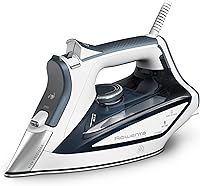
The Rowenta Pro Master has an integrated anti-calc system, a transparent water window, and a large tank with a wide refill opening. It suits frequent pressers who want a visible water level and built-in mineral care; skip it if you prefer a compact iron or don't need those features.
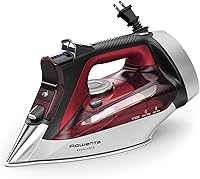
The Rowenta Focus Excellence pairs an anti-calc function with anti-drip protection, a retractable 8-foot cord, and an LED display with 5 fabric presets. Choose it if convenient storage and preset controls matter; skip it if you want a lighter iron, since it weighs 3.6 lb.
The T-Fal Ultraglide has anti-drip protection, vertical steam settings, and a steam boost. It's a fit if you want an iron that can also direct steam vertically at garments or household items; skip it if your main priority is a listed anti-calc feature.
The Rowenta Steam Force Pro combines an anti-calc function with electronic steam regulation and 5 adjustable fabric settings. Choose it if controlled steam and fabric presets are priorities; skip it if you need vertical steam, which this model doesn't offer.
What should you check before filling the tank?
Check the water guidance, max-fill line, and cleaning steps before adding water. These instructions tell you whether the iron takes tap water, distilled water, or a mix.
Use a clean container and keep the water below the max line. Don't add perfume, starch, or cleaning products unless the manual permits them.
When filling a steam iron, keep it unplugged unless its instructions specify a different method. Set the iron on a stable surface, close the fill cover, and let the soleplate reach the required temperature before using steam.
For the rest of your routine, how to use a steam iron covers filling, heating, and pressing. Check iron temperature for polyester, cotton, and silk before pressing fabrics that need different heat settings.
What mistakes should you avoid when using distilled water in an iron?
The main mistake is assuming distilled water is approved for every iron. Another is treating a water change as a fix for leaks, weak steam, or residue without checking the iron's care instructions.
Avoid these habits:
- Mixing distilled and tap water in a ratio the manual doesn't recommend.
- Filling above the max line or using steam before the iron is ready.
- Adding vinegar, descaler, scent, or other products without approval.
- Skipping the cleaning schedule because you use distilled water.
- Copying water advice from a different iron, even one from the same brand.
A water change won't correct a damaged or clogged iron on its own. If the manual's cleaning steps don't resolve the issue, follow its service guidance.
Which iron features matter when choosing a replacement?
Choose an iron for its care routine, controls, and steam functions, not just its water type. Anti-calc may suit a hard-water home, while anti-drip can help reduce drops during normal use.
For a home iron with visible tank and anti-calc features, the Rowenta Pro Master is the clearest fit among these options. If easy storage and fabric presets matter more, consider the Rowenta Focus Excellence.
The T-Fal Ultraglide suits buyers who want vertical steam, while the Rowenta Steam Force Pro offers adjustable steam for horizontal ironing but no vertical steam function.
Think about where you'll store the iron, how often you press clothes, and which controls you'll actually use. A feature is useful only if it fits your routine and you follow the care instructions that come with it.
Which water should you use in your steam iron?
For distilled water in an iron, follow the water type named in your model's manual. Use tap water when instructed, and follow any hard-water mix or cleaning schedule it gives.
If you're replacing an iron, pick the care features that match your household and read the new model's water instructions before its first fill. For help choosing between steam and dry models, see steam iron vs dry iron.
Frequently asked questions
Can you use distilled water in a steam iron?
Use distilled water only if your iron's manual allows or recommends it. Some irons are designed for tap water, while others advise a tap-and-distilled-water mix in hard-water areas.
Check the manual before filling the tank, since water guidance varies by model.
Is tap water bad for a steam iron?
Tap water isn't automatically bad for a steam iron; many models are designed to use it. Minerals in hard water can build up over time, so follow the iron's water and cleaning instructions.
If your manual recommends a mix or another water type, use that guidance.
Does distilled water stop an iron from spitting?
Distilled water may reduce mineral deposits, but it doesn't guarantee an iron will stop spitting. A cold iron, an overfilled tank, or steam used before the iron is hot can also cause drops.
Check the manual and see our guide to fixing a leaking steam iron.
How often should you descale a steam iron?
Follow the cleaning schedule and descaling method in your iron's manual, since models differ. If steam weakens or mineral residue appears, check the manual before cleaning.
Our guide to cleaning and descaling a steam iron explains the steps to review.