Iron Temperature for Polyester, Cotton and Silk
For the right iron temperature for polyester, start on low or synthetic heat and follow the garment’s care label. Use a pressing cloth and raise the heat only if a hidden-area check is safe.
On this page (10 sections)
- What iron temperature should you use for polyester?
- What iron setting works for cotton?
- How should you iron silk?
- How do you choose a safe setting for blended fabrics?
- How should you set up before pressing polyester?
- What mistakes can damage polyester?
- What should you do when the care label is missing?
- Which iron is right for your fabrics and routine?
- How can you prevent shine and scorch marks?
- Which iron temperature is right for each fabric?
The right iron temperature for polyester is usually the low or synthetic setting, guided by the garment’s care label. Use a pressing cloth and begin on an inside seam, since polyester can turn shiny or lose its shape under excess heat.
Iron settings vary by appliance, and fabric blends or finishes can change how a garment responds. If the label is missing, start low, test a hidden area, and increase heat only when the fabric stays unchanged.
What iron temperature should you use for polyester?
Use low heat or the synthetic setting for polyester, and let the care label guide you. Don't rely on one exact temperature for every garment because iron controls and polyester blends vary.
Turn the garment inside out, smooth it on the board, and make short passes with the iron moving. A thin, clean pressing cloth adds a buffer between the soleplate and the fabric.
Let the area cool before checking whether the wrinkle has relaxed.
Can you iron polyester on medium heat?
Use medium heat only if the garment’s care label allows it. A blend can include fibers that respond differently to heat, so don't choose a setting based only on the fabric’s look or the garment’s main fiber.
Test a hidden seam first, then check for gloss, roughness, or a change in shape. Stop if you see or feel a change.
Steam may help loosen a crease, but use it only if the garment label permits it.
A steam iron with clear temperature controls can be useful if your laundry includes both synthetics and cotton. The CHI Steam Iron with Retractable Cord has illuminated electronic temperature control and an adjustable steam lever.
The CHI has a titanium-infused ceramic soleplate and an 8-foot retractable cord. It also has a 3-way auto shutoff.
Choose it if you want selectable temperature controls and a cord that stores in the base. Skip it if you want a compact handheld steamer or prefer an iron without a water tank and steam controls.
What iron setting works for cotton?
Cotton often needs more heat than polyester, but use the garment label to choose the setting. Blends, dark dyes, prints, and special finishes can call for gentler treatment than plain cotton.
Iron cotton while it is slightly damp, or use steam if the label allows it. Work in sections and keep the soleplate moving.
Turn dark cotton inside out or use a pressing cloth to reduce shine.
For shirts, plan the order of the panels and sleeves before you start. These steps for how to iron a dress shirt without missing a wrinkle can help you work through each area without repeatedly pressing the same spot.
Should you use steam on cotton?
Steam can help relax cotton wrinkles when the care label permits it. Fill the iron as its manual directs, let it reach the selected setting, and use steam while keeping the soleplate moving.
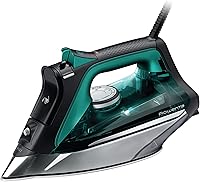
The Rowenta AccessSteam has a stainless steel soleplate and over 350 micro-holes for steam diffusion. Its auto-off feature and retractable cord suit regular home ironing, especially if you want a steam iron with a tidy storage setup.
Pick the Rowenta if you want a cord-reel iron for cotton, polyester, and other listed fabric types. Skip it if your main need is an auto-lift feature for frequent pauses or detailed sewing work.
How should you iron silk?
Use low heat, turn silk inside out, and place a clean pressing cloth between the iron and the fabric. Check the care label first because some silk garments are better steamed or professionally cleaned.
Move the iron gently without pulling the cloth. Avoid spraying water directly onto silk.
Test a hidden area before pressing a visible section. If color, texture, or sheen changes, stop and follow the garment’s care instructions.
The Oliso TG1600 ProPlus suits sewists and quilters who also press clothing. It has adjustable temperature settings, a 2-inch detailer tip, and an auto-lift feature that raises the iron when you release the handle.
Choose the Oliso if you want a steam iron with a large side-fill tank, a long swivel cord, and horizontal, vertical, and variable steam options. Skip it if you only need a simple iron for occasional touch-ups or don't need the auto-lift and project-focused features.
How do you choose a safe setting for blended fabrics?
Follow the care label and use the setting suited to the blend’s most heat-sensitive fiber. When the label uses symbols, check the garment’s care guidance before choosing a temperature.
Start low and test an inside seam. Raise the setting a little at a time only if the fabric remains unchanged and wrinkles persist.
Don't use high heat just because a garment is mostly cotton; a smaller amount of polyester, elastane, or another sensitive fiber can affect the safe approach.
If the label gives a maximum setting, treat it as a ceiling. You can always make another pass at a slightly higher setting, but heat damage may be permanent.
How should you set up before pressing polyester?
Prepare the garment and iron before choosing a setting. Read the care label, clear the ironing surface, and check that the soleplate is clean so residue won't transfer to the fabric.
If you're using steam, fill the iron according to its manual and wait for it to reach the selected setting. Keep a pressing cloth nearby and set the garment inside out when practical.
A damp garment may need less time under the iron, but don't press it if its care label says not to.
For more detail on filling, heating, and moving the iron, see how to use a steam iron the right way. If your iron spits or leaks, review why an iron leaks water.
What mistakes can damage polyester?
The most common mistakes are using too much heat, holding the iron still, and skipping a hidden-area check. Avoid pressing directly over zippers, buttons, or raised trims, where the hot soleplate can catch or leave marks.
Don't keep increasing the heat when wrinkles remain. Check whether the fabric needs moisture or steam, and make another short pass through the pressing cloth.
Let the area cool before deciding it needs more work.
For trousers, follow the seam while forming the crease and avoid dragging the iron across raised details. See how to iron pants with a sharp crease.
What should you do when the care label is missing?
Start at low heat and test a hidden area before pressing the garment. Choose an inside hem or seam allowance, use a pressing cloth, and inspect the fabric after a short pass.
If you can't identify the fabric, avoid high heat. Try a garment steamer on a hidden area only if the garment can be steamed.
Stop if the fabric changes. For persistent wrinkles, other ways to remove wrinkles from clothes may suit the garment better than raising the iron setting.
Which iron is right for your fabrics and routine?
Choose the CHI for clear electronic temperature control, the Rowenta for cord-reel storage and steam diffusion, or the Oliso for sewing work and frequent pauses. Your fabric mix and how you use the iron matter more than the number of steam holes alone.
The CHI suits a home with varied fabrics and a preference for electronic controls. The Rowenta fits routine garment care when a retractable cord and steam distribution are priorities.
The Oliso is the better match for makers who want an auto-lift iron, a detailer tip, and a long swivel cord.
If you iron polyester only now and then, any of these can be more feature-rich than you need. Focus on low temperature control, a clean soleplate, and safe technique before paying for project-specific features.
How can you prevent shine and scorch marks?
Use the lowest effective heat, keep the iron moving, and add a pressing cloth when the fabric or finish is delicate. These habits help reduce direct contact and excess heat on polyester, dark colors, and textured fabrics.
Press around buttons and zippers rather than dragging the hot soleplate over them. For a stubborn crease, use moisture or permitted steam before raising the heat.
Always follow the garment label and the iron manual.
Which iron temperature is right for each fabric?
Use low heat for polyester and silk, and follow the care label for cotton, which often tolerates more heat. For blends or garments without labels, test a hidden spot before raising the setting.
Pick the CHI if you want electronic controls across varied fabrics, the Rowenta if a retractable cord and steam diffusion suit your routine, or the Oliso if you sew and value its auto-lift feature. For polyester in particular, begin low, press through a cloth, and increase heat only after a safe test.
Frequently asked questions
What temperature should I iron polyester?
Use the low or synthetic setting, and follow the garment's care label. Start with the fabric inside out and a pressing cloth between the iron and the garment if you're unsure.
Keep the iron moving, and don't leave it resting on polyester because direct heat can leave a shiny mark or melt the fibers.
Can you iron polyester on medium heat?
Only if the garment's care label allows it. Polyester blends vary, so don't assume a medium setting is safe for every item.
Begin at low heat on an inside seam, use a pressing cloth, and raise the setting gradually only if wrinkles remain and the fabric shows no change.
What iron setting should I use for cotton?
Cotton often needs a medium to high setting, but the care label and any blend fibers matter. Iron while the fabric is slightly damp or use steam if the label permits it.
For dark cotton or raised designs, turn the garment inside out or use a pressing cloth to reduce shine.
Should you iron silk with steam?
Check the care label first, then use low heat and a clean pressing cloth. Some silk garments tolerate steam, while others can water spot or lose their finish.
Test an inside seam, press the fabric inside out, and avoid spraying water directly onto it.