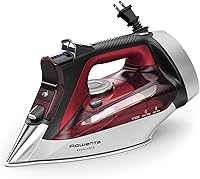
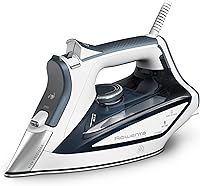
Cordless Iron vs Corded Iron: Which Is Better? (October 2026)
Choose a cordless iron for easy movement during short tasks and a corded iron for longer pressing with steady steam. Your session length and tolerance for reheat pauses decide which setup fits.
On this page (9 sections)
- Cordless iron vs corded iron: which is better for your routine?
- What changes during cordless and corded ironing?
- Which iron works better for sewing and quilting?
- Which iron is better for a full laundry load?
- What matters more, reheating time or cord freedom?
- How should you set up and care for each iron?
- What mistakes should you avoid when choosing an iron?
- Can a cordless iron replace a corded iron?
- Which iron should you choose?
Choose a cordless iron for freedom of movement and a corded iron for longer sessions with steady steam. In a cordless iron vs corded iron comparison, your main trade-off is cord-free handling versus fewer pauses to reheat.
The Panasonic NI-WL700A and Rowenta Freemove are cordless models that return to a powered base between passes. The corded Rowenta Focus Excel provides continuous steam for ongoing pressing.
For sewing and quilting, a trailing cord can cross fabric as you turn a piece. For a large laundry pile, repeated stops to reheat can slow you down.

Cordless iron vs corded iron: which is better for your routine?
A corded iron is better for longer pressing sessions, while a cordless iron suits shorter tasks that benefit from easy movement. Consider how much you iron at once and whether returning an iron to its base feels like a natural pause or an interruption.
The Panasonic NI-WL700A heats on its power base and provides about 1 minute of steam ironing or 5 minutes of dry ironing per charge. Its base serves as both a resting place and a source of heat, so it must stay close to the work.
The Rowenta Freemove returns to its base after each pass and reheats in about 10 seconds in steam mode. It offers steam for up to 30 seconds before it needs to return.
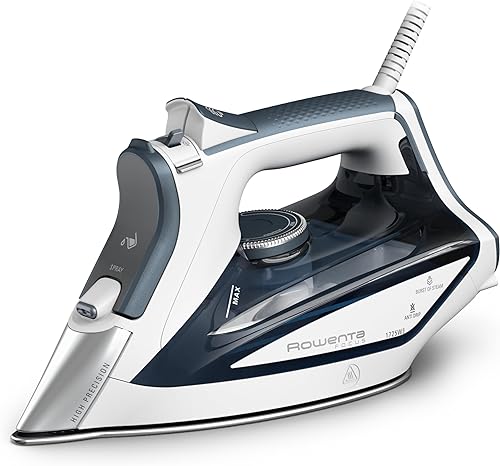
The Rowenta Focus Excel stays connected by cord and offers continuous steam up to 35 g/min. It doesn't need a base pause between passes, though you need an outlet within reach and enough cord slack to work safely.
A cordless iron is worth considering if you often change direction, move around a garment, or press small sections. Skip it if pauses break your rhythm or if you routinely work through a full basket with steam.
What changes during cordless and corded ironing?
A cordless iron moves without a trailing cord, but its heat and steam depend on regular contact with its base. A corded iron can keep working while plugged in, which better suits a steady sequence of passes.
With a cordless model, reheating can fit into the work if you press one small section at a time. Return the iron to its base while you reposition a garment or pin fabric, then continue when it is ready.
For a heavy load, frequent base returns may feel disruptive. The Panasonic's dry ironing time is longer than its steam time, but neither cordless model here offers the same continuous steam routine as the corded Focus Excel.
A corded iron needs an outlet within reach and enough cord slack to move around the board. Route the cord behind your working area so it doesn't drag across the garment or touch the hot soleplate.
Think about the layout before choosing. A cordless iron still needs a stable, nearby base, while a corded iron needs a safe cable path; neither setup works well if you have to stretch or reach across the hot soleplate.
Which iron works better for sewing and quilting?
A cordless iron can make small sewing tasks easier because its cord won't drag over fabric or pattern pieces. The Panasonic's double-tipped soleplate is designed to move forward, backward and side to side.
That shape helps when you turn a piece to press a seam in another direction. You can reposition the iron around the project without moving the cord out of the way each time.
The Panasonic is the strongest fit here for regular sewing tasks. Its steam time is short, so keep the base nearby and set the iron down between brief passes.
Choose a cordless iron if you press seams, blocks or small sections in batches and can pause between them. Skip it if your sewing work involves long, uninterrupted pressing or if the base would crowd your work surface.
For more advice on a sewing-room iron, see our guide to the best irons for sewing and quilting rooms. If cordless movement is your priority, our best cordless steam irons guide compares more options.
Which iron is better for a full laundry load?
A corded iron is the easier choice when you want to work through a large load without regular reheat pauses. The Rowenta Focus Excel has continuous steam up to 35 g/min and a steam boost up to 135 g/min.
Its variable steam settings let you adjust output for cotton, wool, polyester, rayon and silk. The precision tip can help you reach around buttons and garment details.
The Focus Excel also has anti-drip protection, a self-cleaning function and an anti-calc system. Follow the care instructions for your iron so you use its cleaning features and manage mineral buildup as directed.
A cordless iron can still handle laundry if you work in short batches and don't mind returning it to the base. It is a less convenient match for a large pile when frequent stops would break your pace.
If you want more context on steam output and dry pressing, read steam iron vs dry iron. Steam versus dry is a separate choice from cordless versus corded: one is about moisture, the other about power and movement.
What matters more, reheating time or cord freedom?
Choose cord freedom if repositioning fabric is a regular part of your work, and choose uninterrupted use if stopping to reheat would frustrate you. Reheating speed matters most when you expect to use a cordless iron often.
The Panasonic reaches high temperature in just under 2 minutes, then returns to its base when it needs more heat. That setup suits short tasks better than a long steam session.
The Rowenta Freemove heats up in about 30 seconds and reheats in about 10 seconds in steam mode. Those intervals can fit into the time it takes to reposition a garment, but the iron still needs a return to its base after each pass.
The corded Focus Excel avoids those base pauses during use. It can be more practical if you prefer a continuous ironing rhythm, provided the outlet and cord path work in your space.
Don't choose based on heat-up time alone. Ask whether your regular work includes natural pauses, such as turning a garment or moving a pattern piece, or whether you'd rather make pass after pass without setting the iron down.
How should you set up and care for each iron?
Set a cordless iron on a stable surface beside the work, or position a corded iron so its cable stays clear of the soleplate and garment. A good setup makes each style easier to use and helps prevent avoidable interruptions.
For a cordless iron, plug in the base before you begin and leave room to return the iron securely after each pass. Keep the base close enough that you can set the iron down without reaching over fabric or knocking into the work.
For a corded iron, check that the outlet is close enough for comfortable movement around the board. Arrange the cord behind the work area, and keep it away from the soleplate as you turn or reposition garments.
Use the heat and steam settings that suit the fabric, and follow the care and safety directions for the iron you choose. The Focus Excel has self-cleaning and anti-calc features; the cordless models also need to be returned to their bases as directed for heating.
Avoid leaving an iron resting on fabric while you organize the next item. Set it in its designated resting place, keep the hot soleplate away from hands, and give the cord or base enough space that it cannot pull onto the garment.
What mistakes should you avoid when choosing an iron?
The most common mistake is choosing for one attractive feature without matching it to your regular workload. A quick reheat does not make a cordless iron ideal for a long load, and cord freedom may matter little if you only press a few items.
- Underestimating pauses: Cordless use requires returns to the base. If those pauses interrupt you, choose corded.
- Ignoring the base location: A cordless iron needs a stable place nearby to rest and reheat.
- Overlooking cord reach: A corded model needs a nearby outlet and enough slack for safe movement around the board.
- Treating steam time as dry time: The Panasonic provides more dry ironing time than steam time per charge. Pick it with the task and setting in mind.
- Assuming every cordless iron works the same way: The Panasonic and Rowenta Freemove have different heating and use intervals. Compare how each fits your pace.
- Choosing vertical steam as a substitute for every task: The cordless models include vertical steam features, but those are described for hanging garments and quick touch-ups. For routine board pressing, consider the soleplate and session length too.
Measure your storage space and read the instructions before first use. Keep the base on a stable surface, and don't stretch a cord or reach across a hot soleplate to get around a cramped setup.
Can a cordless iron replace a corded iron?
A cordless iron can replace a corded iron if your usual tasks are short and you don't mind returning it to the base. It is a poor replacement if you often press a large load with steam and want to keep moving.
A cordless model can be useful when a cable would cross a project or limit movement around a garment. The Panasonic's 360° soleplate supports directional movement, and the Rowenta Freemove can steam hanging clothes for quick touch-ups.
A corded iron is a practical everyday choice when you use steam for longer stretches. If you mostly need to remove wrinkles from a few items, compare an iron with a garment steamer in our guide to steamer or iron for clothes.
Which iron should you choose?
Choose the Rowenta Focus Excel for long laundry sessions, the Panasonic for sewing and directional movement, or the Rowenta Freemove for quick cordless touch-ups. Let the task you do most often decide the setup.
Pick the Focus Excel if uninterrupted steam matters more than moving freely around fabric. Its variable settings cover several fabric types, and its precision tip helps with detailed garment areas.
Pick the Panasonic if you work on sewing projects or small sections and want an iron that can move in any direction. Pick the Freemove if you want a cordless option with quick heating for short touch-ups and hanging garments.
For a cord-free workspace, keep the base near the work and accept regular pauses. For steady pressing, choose a corded iron and make sure its cord can reach your board safely.
Compare the Panasonic and Rowenta cordless iron options if you've decided cordless is right for you.
Frequently asked questions
Is a cordless iron better than a corded iron?
A cordless iron suits sewing, small projects and quick touch-ups because it moves without a trailing cord. A corded iron is usually the better choice for a long laundry session because it can keep supplying steam without returns to a base.
Choose by the task you do most, not by convenience alone.
Do cordless irons need to be charged?
These cordless irons reheat on a powered base rather than relying on a built-in battery. The Panasonic NI-WL700A provides about 1 minute of steam or 5 minutes of dry ironing per charge, while the Rowenta Freemove reheats when returned to its base.
Keep the base plugged in and within easy reach.
Can you use a cordless iron for sewing?
Yes. A cordless iron can move around seams and pattern pieces without a cord dragging across the fabric.
The Panasonic NI-WL700A has a double-tipped soleplate designed to move in any direction, which fits short pressing steps.
Keep its base close because steam use lasts about 1 minute per charge.
Which iron is better for a large laundry load?
A corded iron is generally more convenient for a large load if you want to press continuously. The Rowenta Focus Excel provides continuous steam up to 35 g/min, while these cordless models need regular returns to their bases.
Choose cordless for a large load only if those pauses fit your routine.
Can a cordless iron steam hanging clothes?
Both cordless irons here include vertical steam features for hanging garments. The Panasonic NI-WL700A describes a vertical steam feature, and the Rowenta Freemove supports vertical steaming for quick touch-ups.
Follow the iron's instructions, keep the hot soleplate clear of skin, and use a stable place to set the base.