Steam Iron vs Dry Iron: Which Should You Buy? (October 2026)
Choose a steam iron for stubborn wrinkles and varied fabrics; choose a dry iron for simple pressing without water. Your clothes, care labels and willingness to maintain a water tank should guide the choice.
On this page (6 sections)
Choose a steam iron for stubborn wrinkles and varied fabrics; choose a dry iron for simple pressing without water. The steam iron vs dry iron choice depends on the clothes you press, the finish you want and how much care you're willing to give the iron.
A dry iron heats its soleplate and presses fabric without steam. A steam iron adds water vapor to help relax creases, and many models let you adjust or turn off steam.
For many homes, a steam iron is the more flexible choice. A dry iron can suit you if your routine is simple and you want fewer settings to manage.

Steam iron vs dry iron: what is the main difference?
A steam iron uses heated water to help loosen wrinkles; a dry iron presses with heat and the soleplate alone. Both need a suitable temperature for the fabric.
The difference matters most when a garment has deep creases or a fabric that responds well to steam. With a dry iron, you may need to press more slowly or use a damp pressing cloth if the care label allows it.
Steam isn't right for every fabric or finish. Follow the garment care label and the iron manual, and avoid applying heat to anything marked for no ironing.
Can a steam iron work without steam?
Many steam irons can press dry when you turn the steam control off. That makes one iron useful for both steam and no-steam pressing, though it still has a water tank and steam-related parts.
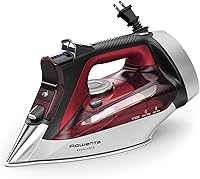
The CHI Steam Iron with Retractable Cord has an adjustable steam lever that goes from no steam to full power. Its electronic temperature control is illuminated, and the cord retracts into the base.
A dry iron removes the steam controls and water tank from the routine. That simplicity may appeal if you mainly press easy-care clothes and rarely need extra help with wrinkles.
Which iron handles wrinkles better?
A steam iron is usually the better choice for stubborn creases because it adds steam while you press. A dry iron can still smooth clothes, but the result depends more on the fabric, heat setting and pressing technique.
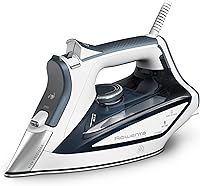
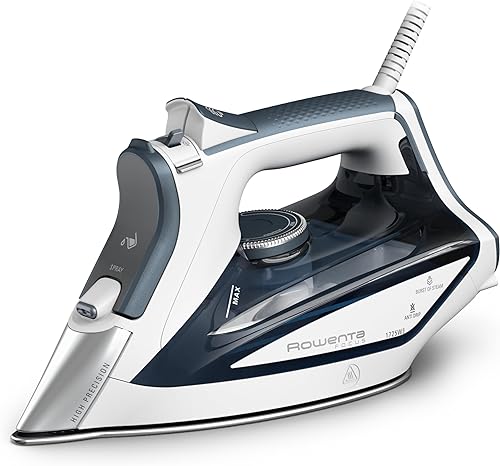
A burst of steam can help with thicker fabric and set-in creases. The Rowenta Focus Excel has continuous steam up to 35 g/min and a boost of up to 135 g/min.
Its variable steam settings let you adjust output for different fabrics. The precision tip is useful around buttons and narrow areas, where broad soleplate movement can be awkward.
Steam output alone doesn't guarantee an easier result. A clean soleplate, a suitable setting and a stable ironing surface still matter.
For another steam option, the T-Fal Ultraglide offers 30 g/min continuous steam and a boost up to 100 g/min. It also has a vertical steam setting for refreshing garments and household items.
If wrinkles are your main concern, see our guide to removing wrinkles from clothes. It covers when ironing, steaming or another approach makes sense.
Which type is easier to maintain?
A dry iron has fewer water-related tasks; a steam iron needs attention to its tank and mineral buildup. The exact care routine depends on the iron's instructions and your water supply.
Steam irons can collect mineral deposits over time, especially when the water contains more minerals. Emptying or cleaning the iron as directed can help maintain steam output.
The Rowenta includes a self-cleaning function and an anti-calc system. These features help manage impurities and calcium deposits, but follow its care instructions.
The T-Fal has anti-drip protection, which can help reduce water drops on clothes. The CHI offers an adjustable steam lever, so you can select no steam when you don't need it.
A dry iron avoids a water tank, but its soleplate still needs to stay clean. Follow the manufacturer's instructions for cleaning it.
Read our guide to cleaning and descaling a steam iron if you choose a steam model. It explains the care steps to check for your specific iron.
Which iron suits different clothes?
Choose by fabric care label and the kind of finish you need, not by iron type alone. A steam model offers more options, while a dry iron can be enough for routine pressing.
Cotton shirts and trousers often need a crisp finish, so steam and steady pressure can help. The CHI supports horizontal steaming for shirts and dress pants, and the Rowenta offers settings for cotton and other fabrics.
Silk and synthetics need more caution with heat. The Rowenta has variable settings for several fabric types, and the CHI has electronic temperature control for fabric selection.
Follow each garment's care label.
For delicate garments, begin at a low suitable temperature and keep the iron moving. Don't assume steam is suitable just because an iron has temperature controls.
Our guide to iron temperature for polyester, cotton and silk can help you match a setting to common fabrics. If you're pressing a shirt, follow our dress shirt ironing steps for collars, cuffs and sleeves.
Is a steam iron or dry iron better for travel?
A dry iron may suit an occasional, simple pressing routine, but travel needs depend on size, power and where you'll use it. Don't assume a regular home iron is convenient to pack.
The Rowenta, CHI and T-Fal are steam irons with cords and water tanks. Check each model's dimensions and weight if storage or portability is a concern.
If you travel often, a handheld steamer may be easier to use on hanging clothes, depending on your packing space and garment needs. Our steamer or iron for clothes comparison explains where each tool fits.
For sewing rooms or quick touch-ups at a workstation, an iron's cord and soleplate can matter more than travel size. Browse our best irons for clothes at home for more choices.
Which steam iron should you buy?
Pick the Rowenta for adjustable steam and a strong boost, the CHI for its no-steam-to-full-power lever, or the T-Fal for continuous steam with vertical steaming. Choose a dry iron if you rarely need steam and want a simpler pressing tool.
The Rowenta fits a mixed laundry pile with variable steam settings, anti-drip protection, self-cleaning and an anti-calc system. The CHI offers a no-steam-to-full-power lever, illuminated temperature control and a retractable cord.
The T-Fal offers 30 g/min continuous steam, a boost up to 100 g/min and vertical steam. Compare the features you will use rather than choosing by wattage alone.
For more options, browse our steam iron guide and best iron for clothes at home. If you're deciding between a hanging steamer and a soleplate, start with our steamer vs iron comparison.
Frequently asked questions
Is a steam iron better than a dry iron?
A steam iron is often the more useful choice for stubborn wrinkles and a mix of fabrics, because steam can help relax creases as you press. A dry iron suits basic pressing if you prefer no water tank or steam settings.
Check each garment's care label before choosing heat.
Can a steam iron be used as a dry iron?
Many steam irons let you turn steam off, so you can press without adding steam. The CHI has an adjustable lever from no steam to full power.
Check your model's instructions and set it for dry use.
Which iron is better for delicate clothes?
Neither type is automatically suitable for every delicate fabric. Follow the garment care label and the iron's temperature guidance, start with the lowest suitable setting, and test an inconspicuous area when the care instructions allow.
Steam can affect some fabrics, so follow the iron manual.
Does a steam iron need distilled water?
Water requirements vary by iron, so check its manual before filling the tank. Water hardness can affect mineral buildup, and some models include anti-calc or self-cleaning features.
Our guide to distilled water in a steam iron explains what to check.
Should I buy a steam iron or a clothes steamer?
Choose an iron when you want a flat surface to press creases and shape collars or trouser legs. A clothes steamer is useful for refreshing hanging garments without an ironing board.
If you're weighing both, see our guide to a steamer or iron for clothes.